
Canada is entering a new era in pediatric rare disease research, driven by advances in precision medicine and novel, innovative clinical trial approaches, including gene editing and gene therapies.
National networks like RareKids-CAN are helping build the infrastructure needed to support that future by strengthening connections between researchers, clinicians, families, industry, regulators, and pediatric research institutions and hospitals across Canada. Clinicians like Dr. Stuart Turvey, Clinician Scientist and BC Children’s Hospital Canada Research Chair in Pediatric Precision Health, and Dr. Elie Haddad, Clinician Scientist, Immuno-Allergy and Rheumatology Division, CHU Sainte-Justine, say this collaborative approach is essential to accelerating clinical trials and advancing treatments for children living with rare diseases.
Recently, Dr. Turvey and Dr. Haddad, who both also serve as RareKids-CAN Executive Committee Members, successfully treated a Vancouver patient with chronic granulomatous disease through a gene-editing clinical trial. The breakthrough, later published in the New England Journal of Medicine, demonstrated the growing potential of gene-editing technologies like prime editing in rare disease treatment.
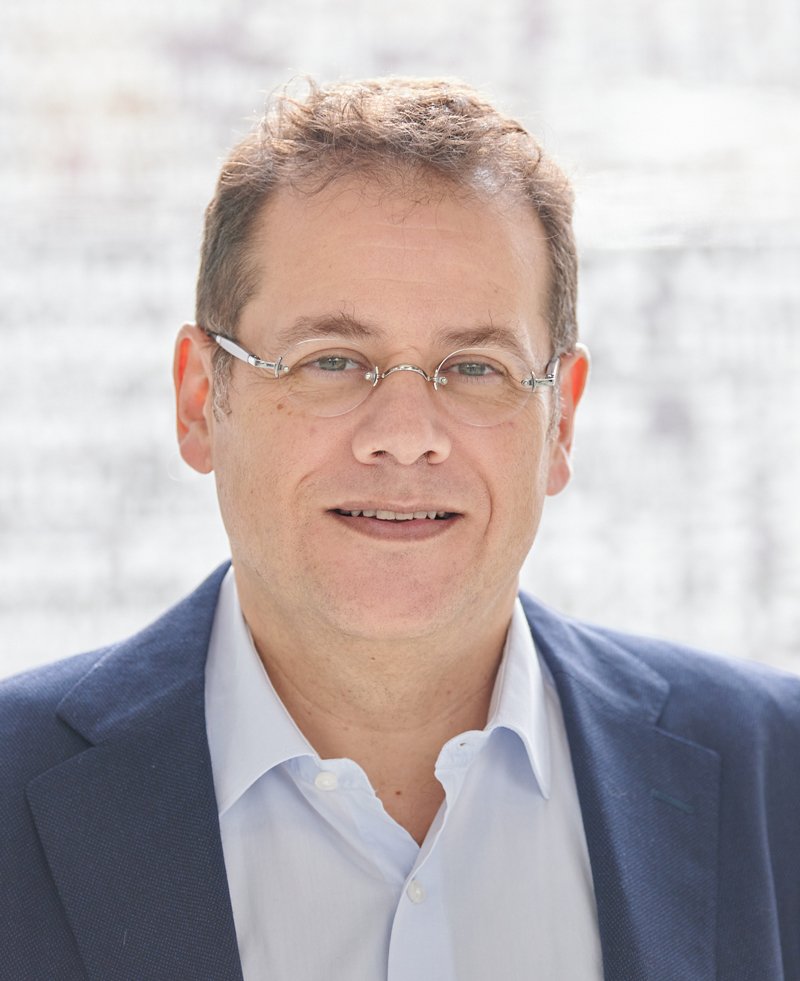
Dr. Elie Haddad is a Clinician Scientist in the Immuno-Allergy and Rheumatology Division at CHU Sainte-Justine. He is also a member of RareKids-CAN’s Executive Committee.
For Dr. Turvey, who cared for the patient for over a decade, the breakthrough represents more than a single success story; it signals what may now be possible through coordinated pediatric clinical research.
“This young man had a really difficult disease that’s hard to live a long, healthy life with,” he said. “And now [after the gene-editing clinical trial] he doesn’t have it anymore.”
For both researchers, advances in precision health are helping move medicine away from a “one-size-fits-all” approach by understanding disease at the molecular level and developing more targeted therapies for children.
This progress matters deeply for families navigating rare diseases, many of whom spend years searching for answers.
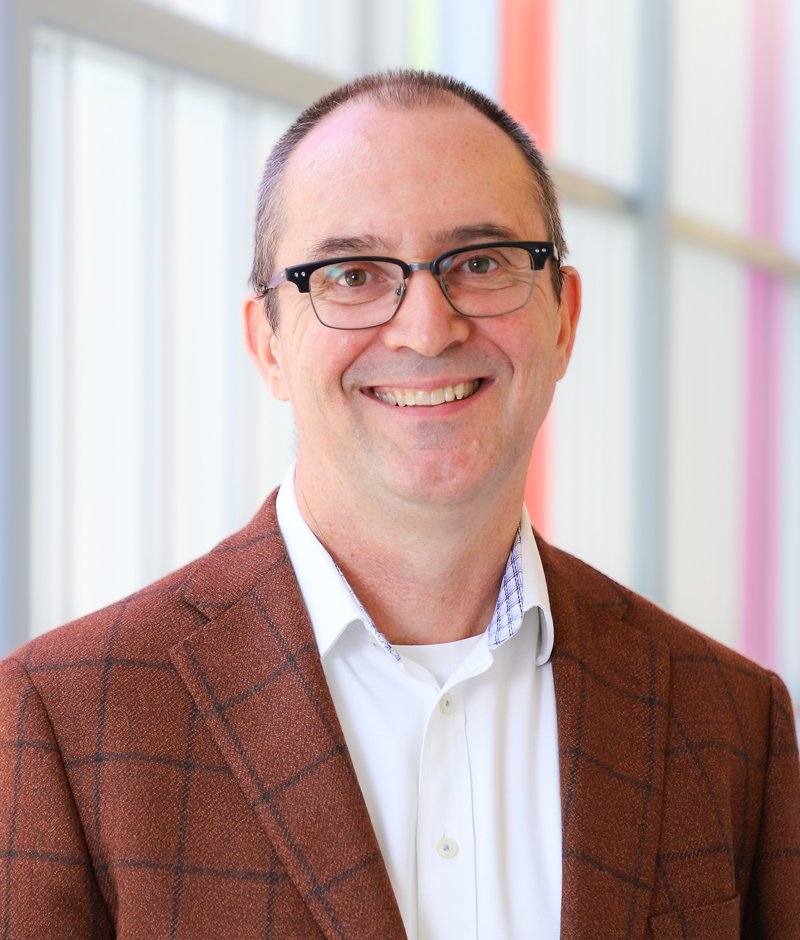
Dr. Stuart Turvey is a Clinician Scientist and the BC Children’s Hospital Canada Research Chair in Pediatric Precision Health. He is also a member of the RareKids-CAN Executive Committee.
Dr. Haddad said finally receiving a diagnosis can be life-changing for families who often feel overlooked within the health-care system.
“When families finally receive a diagnosis, the relief is profound,” he said. “They feel seen and understood, often for the first time.”
He also noted that many rare disease families face what he describes as a “double punishment”; coping not only with illness, but with a lack of public understanding and limited research investment.
“When families finally receive a diagnosis, the relief is profound.” – Dr. Haddad
While scientific breakthroughs are accelerating, both physicians emphasized that clinical trials remain essential to ensuring children can access emerging therapies.
“Without them, there is no access to new treatments,” Dr. Haddad said.
Yet for rare diseases, launching clinical trials remains uniquely challenging. Patient populations are small, costs are high, and Canada’s geography can create inequities in access for families outside major centres.
“Rare diseases don’t know geographical borders,” Dr. Turvey said. “Everyone should have the same access.”
That is where RareKids-CAN is working to make a difference.
The national network was created to strengthen pediatric rare disease clinical trial capacity across Canada by improving coordination between researchers, institutions, families, regulators, and industry partners. Its goal is to make Canada a stronger, more connected environment for pediatric rare disease clinical research while helping reduce barriers that prevent children from accessing trials and treatments.
“It was important for RareKids-CAN to set up the architecture to do clinical trials,” Dr. Haddad said.
“Rare diseases don’t know geographical borders. Everyone should have the same access.” – Dr. Turvey
As researchers working to advance pediatric rare disease clinical trials through both their own work and leadership roles within RareKids-CAN, both physicians also stressed the importance of modernizing regulatory systems to better support rare disease innovation while maintaining patient safety.
Regulatory reform and system innovation is also a strategic priority for RareKids-CAN as the network works to strengthen pathways that support pediatric rare disease research and access.
Dr. Haddad said current systems often focus too heavily on risk avoidance, making therapies prohibitively expensive to develop for smaller patient populations.
At the centre of many of these advances is gene editing technology, including approaches such as CRISPR and prime editing.
Dr. Turvey compared the human genome to a recipe book where disease can result from “spelling mistakes” in DNA. Gene editing technologies aim to rewrite or correct those errors directly within the genome.
Dr. Haddad described prime editing as a more precise approach that allows scientists to “directly correct the mutation.”
While both physicians caution that challenges remain — including regulation, implementation, and equitable access — they believe the field is entering a transformative new era for rare disease treatment.
Through RareKids-CAN and national collaboration efforts, researchers are working to build the systems, partnerships, and clinical trial infrastructure needed to help ensure those advances reach children and families across Canada.
Progress will depend not only on scientific breakthroughs, but on continuing to strengthen the collaborative networks that make those breakthroughs possible.