
IMPaCT Training Program Wallace Wee: Seeing What Matters in Pediatric Research
Progress in rare disease research rarely comes from a single breakthrough, it’s built through persistence, curiosity, and a commitment to improving how we understand and measure what patients experience every day.
As part of the IMPaCT Training Program, emerging researchers are helping to push that progress forward, bringing fresh perspectives and interdisciplinary expertise to some of the field’s most complex challenges.
In this Q&A, Wallace Wee shares his journey from engineering to medicine and clinical epidemiology, and how that unique path has shaped his approach to pediatric respiratory research. His work focuses on developing more precise tools to monitor lung disease in children — particularly in rare conditions where better measurement could unlock new treatments and improve care. From advanced imaging techniques to national collaborations, Wee reflects on the questions driving his research, the gaps he’s working to close, and what meaningful impact looks like for patients and families.
IMPaCT is a clinical trial training platform increasing clinical trial capacity in perinatal and child health in Canada.
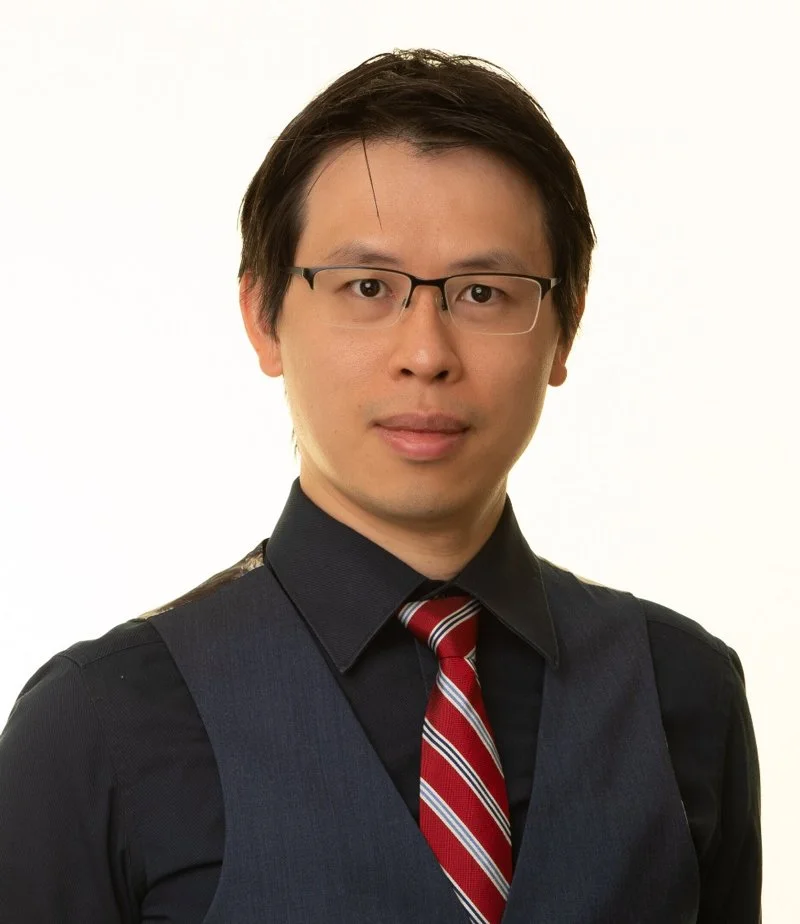
RareKids-CAN has sponsored Busisiwe Zapparoli and Wallace Wee (left) as two early-career researchers, providing them with the skills, training, and networking needed to design stronger clinical trials and accelerate improvements in care for children with rare diseases.
Emma Tarswell: Tell me a bit about your journey into research; what drew you to this field in the first place?
Wallace Wee: Early on I found myself drawn to understanding not just what we do in medicine, but why we do it, and how we can do it better. This curiosity has been pervasive throughout my training, and, ultimately, led me to research.
I’ve been very fortunate to work with outstanding mentors and sponsors along the way, who helped shape how I think, how I develop and ask meaningful questions, and how I approach problems.
Over time, I’ve realized that the intersection between my different academic backgrounds, from engineering to pediatric respirology to clinical epidemiology, is where I can contribute the most because it gives me multiple ways to approach clinical problems, with the goal of improving how we measure, understand, and care for children with respiratory disease.
“I’ve been very fortunate to work with outstanding mentors and sponsors along the way…”
ET: How would you explain your current research to someone outside of science — say, a parent or a patient?
WW: My research is focused on improving how we monitor lung disease in children, particularly in those with a rare condition called primary ciliary dyskinesia, or PCD. In PCD, the cilia (hair like structures) in the body don’t function properly, which leads to progressive lung damage. Unfortunately, the traditional tools we use to assess the lungs aren’t sensitive enough to detect early changes. I’ve been working with newer types of MRI scans that allow us to see how well the lungs are functioning overall, and also pinpoint exactly where problems are occurring.
Alongside this, I’m also involved in clinical trials, and developing patient registries. Together these approaches help us understand how patients are doing over time, and how treatments work in real-world settings, across different patient populations.
ET: What problem are you trying to solve, and why does it matter right now?
WW: A major challenge in many pediatric lung diseases, especially rare ones, is that our current tools for measuring lung function are not sensitive enough. They can give an incomplete picture of how a patient is doing and make it harder to advocate for additional therapies.
This also slows innovation as we are unable to accurately evaluate whether a new potential therapy is working. In PCD, where lung changes can be subtle, this lack of precision makes it very difficult for industry to justify funding new therapeutic trials.
My research aims to close this gap. By integrating advanced imaging techniques with clinical registries and trials, I am researching new methods for measuring lung function that are scientifically rigorous and clinically relevant. Ultimately, I envision these tools supporting therapeutic trials and patient care.
ET: What does being named an IMPaCT-RareKids-CAN trainee mean to you personally and professionally?
WW: Being named an IMPaCT-RareKids-CAN trainee is a significant honour.
On a personal level, it reflects the mentorship and sponsorship that I’ve been fortunate to receive throughout my training. It also reinforces my commitment to working in rare pediatric lung diseases, where there is a real opportunity to make a difference for patients and families.
“Being named an IMPaCT-RareKids-CAN trainee is a significant honour.“
Professionally, it provides the platform to further develop my research program within a collaborative, national network. And the opportunity to engage with clinicians, researchers, patient partners and trainees across disciplines is highly valuable.
ET: How will this experience shape the way you approach your research?
WW: I expect that this experience will shape my approach to research in a few important ways.
First, it will help refine how I design research studies so that they are both methodologically rigorous, practical and clinically meaningful. Being part of the national network will provide opportunities to learn from colleagues working across different settings and populations about how to develop research questions and studies.
“This experience will help me foster a collaborative network and develop a thoughtful, impact-oriented research program.”
Secondly, it will strengthen my ability to align my work with patient needs. By engaging with patient partners, clinicians, and researchers, and learning from their experiences, it will help me prioritize meaningful questions and translate findings into meaningful improvements in care.
Overall, this experience will help me foster a collaborative network and develop a thoughtful, impact-oriented research program.
ET: What does “impact” look like to you in the context of your research?
WW: Impact, to me, means that our work leads to measurable improvements in how we understand, assess, and care for patients.
For my research, this starts with improving how we assess lung disease through the development of new tools that are sensitive, reliable, and clinically meaningful. Over time, the impact will enable more therapeutic trials and support the development of new therapies, particularly in rare diseases. In time these impacts will contribute to more effective therapies and personalized treatments for patients.
Wallace Wee is sponsored by RareKids-CAN as a trainee with the IMPACT Training Program.
This article is part of a series highlighting trainees from the IMPaCT Training Program. Read the companion profile about Busisiwe Zapparoli.