
IMPaCT Training Program Busisiwe Zapparoli: Advancing Equity and Outcomes in Rare Disease Research
For many children living with rare conditions, the biggest challenges aren’t always the ones you see on a chart; they show up in the day-to-day: learning, relationships, independence, and navigating complex systems of care. Improving those outcomes requires research that goes beyond diagnosis, focusing on the lived experiences of patients and families.
For many children living with rare conditions, the biggest challenges aren’t always the ones you see on a chart; they show up in the day-to-day: learning, relationships, independence, and navigating complex systems of care. Improving those outcomes requires research that goes beyond diagnosis, focusing on the lived experiences of patients and families.
In this Q&A, Busisiwe Zapparoli shares how her background in clinical–developmental psychology and neuropsychology led her to pursue a clinician-scientist path grounded in real-world impact. Her work focuses on understanding why children with the same condition, particularly neurofibromatosis type 1, can have very different life outcomes, and how targeted interventions can help close that gap. With a strong emphasis on equity, patient-centred design, and practical application, she reflects on the importance of building research that not only advances knowledge, but meaningfully improves how children and families live, learn, and manage care every day.
IMPaCT is a clinical trial training platform increasing clinical trial capacity in perinatal and child health in Canada.
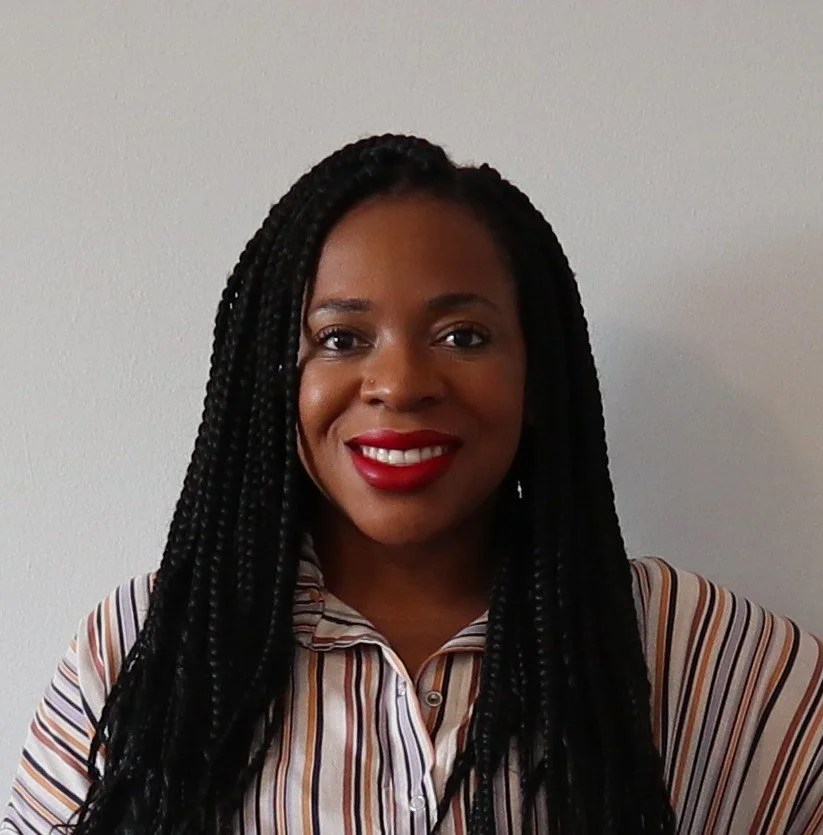
RareKids-CAN has sponsored Busisiwe Zapparoli (left) and Wallace Wee as two early-career researchers, providing them with the skills, training, and networking needed to design stronger clinical trials and accelerate improvements in care for children with rare diseases.
Emma Tarswell: Tell me a bit about your journey into research; what drew you to this field?
Busisiwe Zapparoli: My interest in research was shaped by an interest in understanding how diverse experiences and contexts influence child and family outcomes.
In particular, I was motivated to try and understand how to enable better outcomes for underserved and marginalized populations dealing with medically complex conditions. During my doctoral training in clinical–developmental psychology and neuropsychology, I became deeply engaged in community-based and mixed‑methods research. My doctoral dissertation examined the experiences of Zambian parents of children with developmental disabilities and helped instill in me the importance of participatory, equity‑oriented approaches.
“I was motivated to try and understand how to enable better outcomes for underserved and marginalized populations dealing with medically complex conditions.”
Following completion of my degree, I began to work as a clinical neuropsychologist. There my clinical work focused on assessing cognitive, behavioural, and social emotional challenges in medically complex children and youth (e.g., neurofibromatosis, type 1). Over time, my interactions with patients and families exposed me to unanswered questions that might help improve the experiences and lives of these patients and families. This motivated me to pursue a clinician‑scientist career where research questions can be driven by interactions with patients and families and research results can be directly applied to clinical work.
ET: How would you explain your current research to someone outside of science—say, a parent or a patient?
BZ: My research is primarily focused on patients with a rare condition called neurofibromatosis, type 1. The goal of my research is to (1) understand why some children have better life outcomes than others despite having the same medical diagnosis and (2) to find ways to improve these outcomes for children who tend to have more difficulty. The life outcomes I look at include things like learning, behaviour, mental health, and quality of life.
ET: What problem are you trying to solve, and why does it matter right now?
BZ: My current project focuses on improving executive functioning skills in adolescents with neurofibromatosis, type 1 (NF1).
NF1 is a rare genetic condition that can affect many parts of the body and often leads to serious health problems over a person’s lifetime. About 80% of people with NF1 also struggle with cognitive and behavioural issues, including difficulties with executive functioning. These are skills such flexibility, planning, organization, and “big picture” thinking that help individuals achieve goals. These challenges can make school, work, and social life harder, and they also interfere with learning how to manage one’s own health.
As a result, many youth and adults with NF1 miss appointments, struggle to navigate the healthcare system, and have difficulty managing ongoing medical needs -- especially in young adulthood, after moving from pediatric to adult care.
Research from other chronic illnesses shows that improving executive functioning can lead to better health habits and long‑term outcomes. This highlights the urgent need for a targeted program that helps youth with NF1 build these skills, supporting greater independence and better health across the lifespan.
ET: What does being named an IMPaCT-RareKids-CAN trainee mean to you personally and professionally?
BZ: Being named an IMPaCT‑RareKids‑CAN trainee is personally meaningful and professionally transformative.
As an early career researcher who is interested in conducting research that directly impacts children and families affected by rare disease (primarily neurofibromatosis, type 1) this opportunity will allow me to form relationships with researchers in the rare disease space across Canada with expertise in this area. I hope to learn from these colleagues and form collaborative relationships that will enhance my future research.
“Being named an IMPaCT‑RareKids‑CAN trainee is personally meaningful and professionally transformative.”
This opportunity will also provide me with opportunities to gain critical training and mentorship which is vital at this early stage in my career.
Together, these experiences would strengthen my ability to lead high‑quality clinical trials, secure future funding, and contribute meaningfully to improving care and health outcomes for children with rare conditions.
ET: How will this experience shape the way you approach your research?
BZ: This experience will strengthen my ability to design and conduct clinical trials that are methodologically rigorous, patient‑centred, and responsive to the real‑world challenges faced by families affected by rare diseases like neurofibromatosis, type 1.
I look forward to developing a more systematic and intentional approach to trial design, including early integration of patient and family perspectives, careful consideration of equity and access, and proactive planning for implementation and sustainability.
“… the program will help me build a research program that not only generates high‑quality evidence, but also produces findings that are meaningful, feasible, and capable of improving health outcomes for children and youth with rare conditions navigating complex healthcare needs.”
Importantly, this experience will also allow for interdisciplinary learning experiences that facilitate collaborative partnerships across disciplines.
Overall, the program will help me build a research program that not only generates high‑quality evidence, but also produces findings that are meaningful, feasible, and capable of improving health outcomes for children and youth with rare conditions navigating complex healthcare needs.
ET: What does “impact” look like to you in the context of your research?
BZ: In the context of my work, impact means conducting research that leads to meaningful, measurable improvements in the daily lives of children and youth with rare conditions and their families. This includes designing clinical trials that explore interventions that are feasible, accessible, and responsive to real‑world challenges.
Busisiwe Zapparoli is sponsored by RareKids-CAN as a trainee with the IMPACT Training Program.
This article is part of a series highlighting trainees from the IMPaCT Training Program. Read the companion profile about Wallace Wee.