Clinical trials can play a critical role in improving access to treatments and advancing care for children living with rare diseases.
Through our national Clinical Trial Navigators (CTN), RareKids-CAN helps connect investigators, institutions, patients, and families to pediatric rare disease clinical trial opportunities across Canada. Clinical Trial Navigators work directly within hospitals and research institutions to support study start-up, strengthen collaboration, and help improve trial readiness nationwide.
As part of Clinical Trials Day, we’re sharing a four-part Q&A series highlighting the experiences and perspectives of Clinical Trial Navigators working across Canada to strengthen pediatric rare disease research and access to clinical trials.
In this first Q&A, we speak with Daislyn Vidal, Clinical Research Coordinator and RareKids-CAN Clinical Trial Navigator at the University of Saskatchewan.
RKC: What is a Clinical Trial Navigator, and why is this important?
DV: As a Clinical Trial Navigator, I’m a liaison and connector between local investigators at our institution and clinical trial opportunities provided by external investigators and sponsors, such as pharmaceutical companies.
This role helps raise clinical trial opportunity awareness with our local community and supports local investigators who don’t always have the time or capacity to onboard clinical trials. My role as a CTN allows me to provide vital support with that onboarding at our institution.
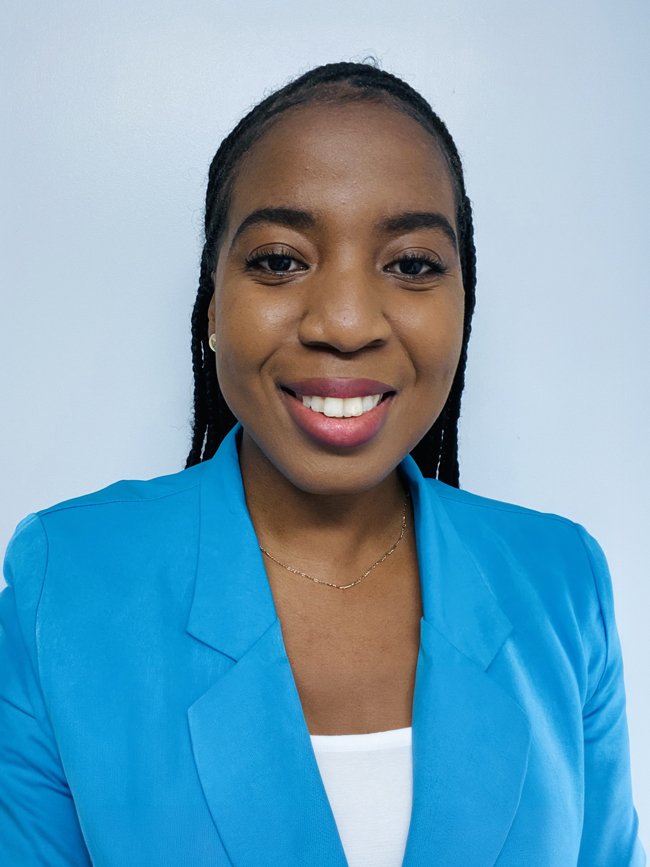
“I see it as an honour to be able to directly help children suffering from rare diseases to get access to treatments in the form of trials which they normally would not get access to.”
RKC: What drew you to working in pediatric rare disease clinical trials?
DV: My research training background is in applied health sciences. I then moved on to working in population health research which was centered around non-communicable diseases in children and pregnant women from minority populations. This sparked my interest in being more involved in research which serves and directly impacts children’s health.
I was eager to immerse myself in the pediatric rare disease clinical trial field when the opportunity arose with RareKids-CAN. I see it as an honour to be able to directly help children suffering from rare diseases to get access to treatments in the form of trials which they normally would not get access to.
RKC: Clinical Trial Navigators are often described as the “boots on the ground” of RareKids-CAN. What does that look like in practice at your institution?
DV: Currently, at my institution as a CTN, I am responsible for overseeing the successful onboarding and ongoing coordination of pediatric clinical trials within our department. I help to facilitate meetings and visits including feasibility visits and site initiation visits. If necessary, I may also support regulatory aspects of the study such as ethics and operational approval application submissions.
“Being a part of this national network has improved our site’s access to clinical trials for our rare disease patients.”
RKC: What makes the RareKids-CAN Clinical Trial Navigators network unique compared to working in a single institution?
DV:I love working with RareKids-CAN as a CTN; it gives me the unique opportunity to connect closely to different pediatric rare disease research personnel across Canada. It leads to more collaborations between investigators and research teams at my site with those from other Canadian sites. Recently, we started working on a project involving four to five different sites – this has only been possible thanks to the RareKids-CAN CTN network!
RKC: How does being part of a national network improve access to or quality of clinical trials for rare disease patients?
DV: Being a part of this national network has improved our site’s access to clinical trials for our rare disease patients. We have begun onboarding a clinical trial that was introduced to us thanks to the network’s connections. We are hoping to keep abreast of these opportunities that will continue to come through the network and improve our pediatric population’s access to quality clinical trials.
RKC: What would you want people outside the research world to better understand about pediatric rare disease clinical trials?
DV: It is integral for people outside the research world to understand the sensitivity and absolute need for these trials since the trials serve children whose treatments are very rare and can be absolutely life changing if successful.
“I am elated to see so many families, patients, researchers and companies come together to find ways to increase access for our rare disease populations to life changing treatment.”
RKC: What excites you most about the future of rare disease clinical trials?
DV:What excites me most is seeing the fresh energy and innovation that is erupting currently in the rare disease clinical trials space, and I know that this is only fuel for the progression that we will see in the future.
I am elated to see so many families, patients, researchers and companies come together to find ways to increase access for our rare disease populations to life changing treatment. It is an honour to be a part of this movement!